The SECC hosted a barbecue to celebrate the start of the new school year, to welcome new undergrad thesis students and to celebrate our graduating members! Members of the SECC near and far look forward to collaborating with one another on an exciting year ahead!
Pictured: SECC members present in Ottawa and those from afar edited in (thanks Connor for your impressive photoshop skills!)
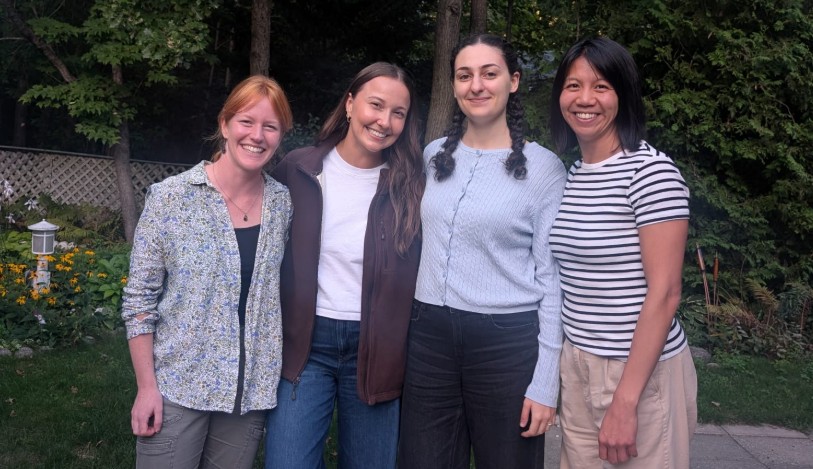
The Social Ecology and Conservation Collaborative celebrates the successful MSc defences of Maggie Hanna and Caraline Billotte and the successful MA defence of Sarah Lavallée. Everyone at the SECC commends all of you on your hard work and dedication on your projects and we are excited to see what you will all achieve in the future!
Pictured (left to right): Sarah Lavallée, Caraline Billotte, Maggie Hanna, Vivian Nguyen
This week I attended the Sustainable Cities Conference in Manchester where I presented the main findings from my thesis. It was a really amazing opportunity to hear such diverse perspectives. Although the conference was relatively small (~100 attendees), it was amazingly international, with researchers from Iraq, Norway, Belgium, Taiwan, United States, and more! I was reflecting on the train yesterday about my main takeaways from the conference, which I’ve typed up below: 1. Importance of considering the emotional experience of the city. A big theme throughout the conference, which consisted of a lot of urban planners and architects, was to consider how it actually feels to live, work, play, and move in the city. Several presenters emphasized that the success of a public design, or new urban space (e.g. greenspace, a bus stop, etc.) was in how it makes people feel while using it. Are they stressed while navigating public transit in the city, or is it a welcoming experience due to the cleanliness of the stations, lighting, lots of information, etc.? Although the design implications may be less relevant to us in SECC, it did get me thinking about the importance of considering how our research implications/interventions (e.g. new urban fishing infrastructure, more urban street trees, etc.) contribute to the emotional and sensory experience of local populations. 2.Potential friction points between accessibility/equity and conservation goals. One area of tension I noticed throughout the conference was how most approaches to increase accessibility are through the built environment (e.g. paved paths, more lighting, better transit, etc.), which often contradict approaches to re-wild the city in order to meet biodiversity and conservation goals. (Example: Increased lighting to make an urban park feel safer for local residents, but it increases light pollution for local bat populations and other organisms). While there are amazing initiatives that increase both sustainability and accessibility, I noticed that many researchers seemed to focus on one or the other, often influenced by local communities of interest and local government. It made me reflect on the challenge of meeting climate and sustainability goals while also ensuring that accessibility remains at the forefront. 3.Is it better to have imperfect solutions or to do nothing? This was a recurring question throughout the conference. Much like what Andrew wrote about in his reflection, there were also several discussions at the Sustainable Cities conference about how researchers are very good at identifying problems and explaining why they are problems, but are less good at proposing solutions. Even when solutions are proposed, researchers are trained to critique them, sometimes resulting in a lack of action. Is it better to accept that every solution will have flaws but implement them anyway, or do we continue refining solutions until we get one that is closer to perfect? I am still reflecting on situations where quick, albeit imperfect action may be required vs. other situations where more precision and time is required. 4.Working within the climate policy-action gap. Many researchers emphasized the need to make climate policy relatable to the average person and community. Many environmental policies fail because there is a disconnect between the policy’s goals and the values of everyday people (e.g. “I want a fast way to commute to work”, “I value local food but it needs to be affordable”, etc.). I think this is something that we already think about a lot, but it was an important reminder to find creative ways to make broad, conservation/environmental goals relatable to the local context. A good question someone asked is, “How do we add value to people’s lives through our sustainability work?”. I’m still thinking on that one. 🙂 5.Strong research can be simple research. I’ve realized that I often fall into the trap of thinking that academic research must be complex to be rigorous and/or valuable. I was struck by the simplicity and elegance of many of the research that was presented at the conference. Most research isn’t ground-breaking, but that doesn’t make it less valuable or important. In fact, I noticed that much of the research that appeared ‘less complex’ (not actually less complex, but it was more straight-forward and less conceptual) was also the research that was translated into action much more than the highly theoretical/conceptual research. And if action is your goal, then maybe simplicity should be embraced (I’m telling this to myself!).
The SECC would like to extend its congratulations to Mélanie Brochu for receiving the 2026 Student EDI Research Award!
Mélanie is advancing an interdisciplinary project informed by Indigenous methodologies. By creating knowledge-sharing outputs designed for both community members and academic audiences, she seeks to foster meaningful dialogue and collaboration. Her work supports wider discussions on Indigenous governance, environmental stewardship, and relational ways of understanding and engaging with the natural world.
Please find a post from Carleton University congratulating Mélanie here
The SECC would like to congratulate Tamara Donnelly on receiving the 2026 Outstanding Leadership Award in Biology at Carleton, recognizing her volunteerism on research project across the Biology department and for receiving the Queen Elizabeth II Graduate Scholarship in Science and Technology.
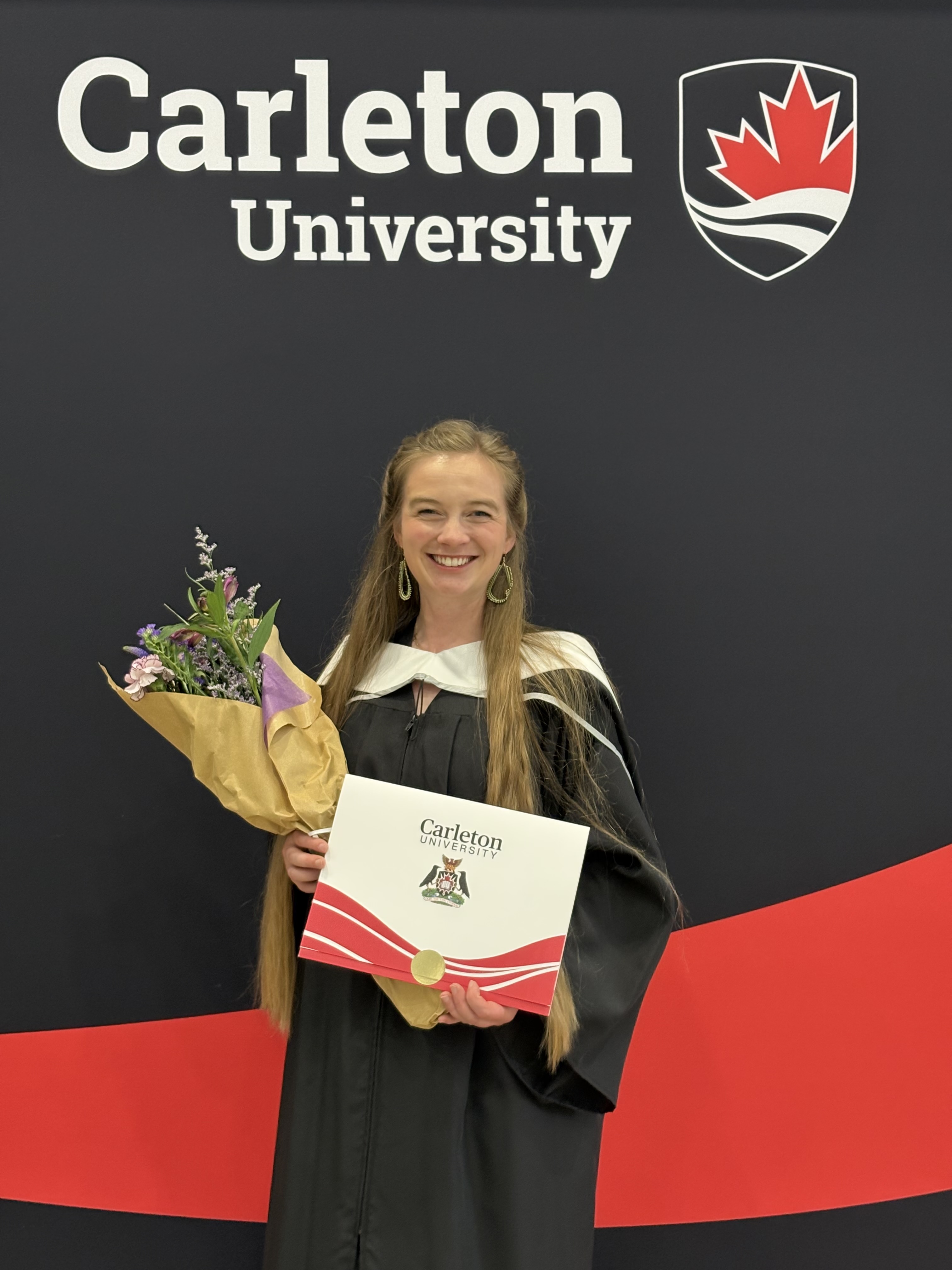
The Social Ecology Lab is delighted to congratulate Rebeccah Kennedy on the successful completion of her Master of Arts degree in Geography at Carleton University.
Throughout her graduate studies, Rebeccah contributed to research exploring human-environment relationships and brought enthusiasm, creativity, and dedication to her work. We are proud to celebrate this important milestone and look forward to seeing the impact of her future endeavours.
Congratulations, Rebeccah, on your well-deserved achievement, and best wishes for the exciting journey ahead!
Pictured: Rebeccah Kennedy at Carleton University’s June Convocation.
1. Human dimensions research is increasingly acknowledged in the fisheries science space. It was really nice to see other human dimensions conference attendee, Alyssa Goodenough, and her presentation on the intersectionalities between feminism and fishing (link to her thesis here). I felt that the human dimension aspects were well-received by the other researchers/attendees. It was encouraging to see others also blending social science theory with fisheries science/management.
2. Smaller conferences are really nice for socializing and networking. Tamara, myself, and Katie (Cooke Lab) ended up having dinner with Gary Whelan, President of the AFS one evening! It was much easier to have casual conversations and get to know the other attendees in a smaller setting and venue. I would definitely keep the size of the conference in mind when considering which conferences to attend in the future.
3. The Nature Museum Collections are a treasure trove of information and data. As part of a field trip, we went to the Nature Museum’s collections (a separate facility in Gatineau) and I was blown away by their ichthyology collections. They have massive rooms full of preserved fish species in jars dating back to the 1800s! As a public resource, you can also request to have samples mailed to you for research purposes and they have also digitized most of their collections. We also learned about the intriguing parasitic relationship between mussels and fish. Larval mussels attach to fish gills and fins to complete their life cycle. Therefore, when the host fish species decline, so do the mussel species, along with all the other ecosystem services that mussels provide in that aquatic ecosystem. Also, the organization system in the collections is truly inspiring.
4. Know the geological and ecological history of the systems that you’re working with. Gary Whelan, President of the AFS, highlighted the importance of taking the time to understand the history of whichever environment or system(s) you are working with in his keynote talk. Particularly within these turbulent political times, Gary emphasized how important it is to understand history to avoid repeating it. He used the example of the old-growth logging industry in the midwest during the 1800s and how that completely altered the landscape, which helps explain why certain activities deemed as “restoration” projects aren’t actually restorative to what the land once was.
5. There are changes proposed to the new Species Conservation Act, including the delisting of several species. One of the presenters gave a talk on the proposed changes to expect in the new SCA in light of Bill 5 (Protect Ontario by Unleashing our Economy Act). Aquatic species and migratory birds are the two groups most impacted by the proposed changes. This is something to keep an eye on, as it could impact government funding decisions, research priorities, etc.
Huge congrats to Connor and the executive team at AFS-OC for putting together such a great conference!
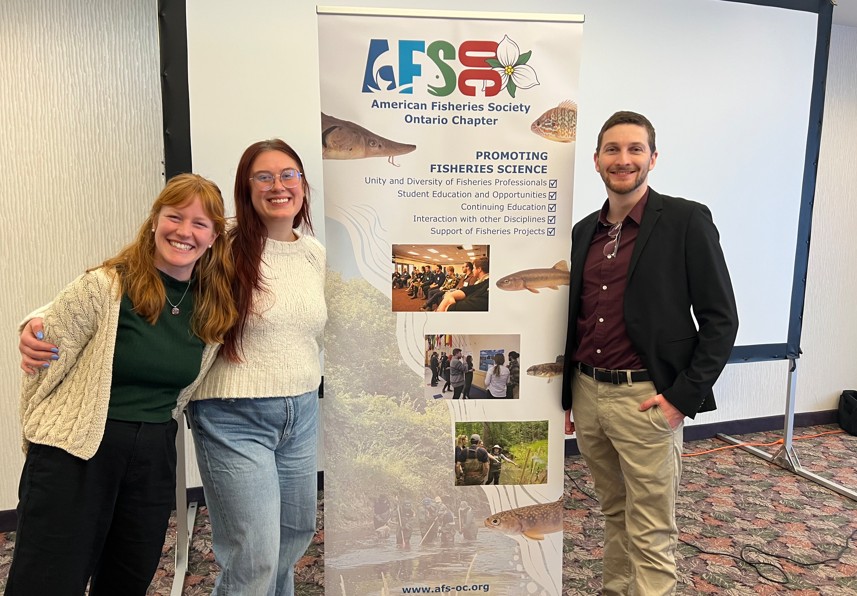
Pictured (left to right): Sarah Lavallée, Tamara Donnelly, Conor Reid
We are delighted to share that members of our research community have published a new article in Environmental Management (2026), titled “Intra‑Sectoral Conflict Resolution in Recreational Fisheries: A Brief Review of Approaches and Strategies.” This work represents a significant contribution to the growing literature on human dimensions in fisheries and offers timely insight into how diverse angler groups navigate conflict within shared resource spaces.
Every summer, our lab offers students and early-career researchers the chance to step outside the classroom and into the field, where theory meets practice, and curiosity leads the way. Whether collecting data in remote environments, collaborating with local communities, or navigating the unexpected challenges of fieldwork, these experiences provide invaluable opportunities for growth, discovery, and connection. Here are some shared firsthand reflections from some of our summer research team:
Sarah Lavallee and Tamara Donnelly
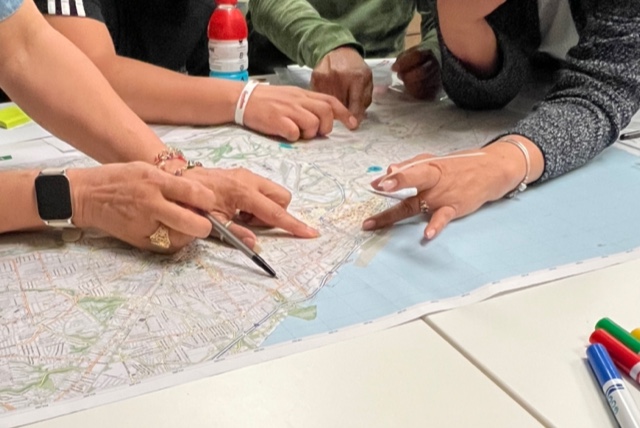
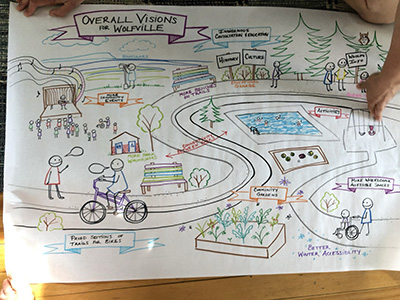
This summer, graduate students from the Social Ecology and Conservation Collaborative on the Provisioning Fisheries Project travelled to Cleveland (Ohio), Hamilton and Toronto (Ontario) to conduct field work with diverse urban fishing and foraging populations. Sarah Lavallée, MA in Geography and Tamara Donnelly, PhD in Biology, travelled to Cleveland in May for ten days to facilitate focus groups with 17 newcomers conducted in Swahili and Spanish, through the assistance of an interpreter. Focus group discussions focused on barriers to urban fishing and the use of public parks and water bodies. These focus groups included some participatory mapping where participants were asked to identify public urban spaces that they regularly visit, as well as important locations to food access (e.g. grocery stores, community gardens, etc.).
These focus groups were supplemented with shore angler surveys (n= 14) on Lake Erie and its tributaries in Cleveland to better understand the motivations and practices of diverse shore anglers. We were surprised to find that all immigrant participants in the focus groups did not fish or forage, and instead faced major constraints to their participation in these activities, including lack of time, perceptions of fishing and foraging as a high-effort-to-low-reward ratio, in addition to uncertainty and confusion regarding fishing regulations and licensing. The shore angler surveys in Cleveland revealed low female angler participation rates, but high diversity in terms of angler ethnicity.
In July, Sarah and Tamara traveled to Hamilton and Toronto to conduct focus groups with urban foragers (n=13), as part of Sarah’s MA thesis on wild foods from urban spaces. These focus groups highlighted the importance of foraging in urban spaces for cultural, social, health, and environmental reasons, despite the practice being relatively secretive. Discussions centered around themes of equity, access, sustainable food systems, and urban commons. Tea Falzata, MA in Geography, and Jessica Puistonen, MSc in Biology, joined Tamara and Sarah in Hamilton to conduct shore angler surveys and tackle shop interviews. In total, 17 shore angler surveys were completed in Hamilton over the course of two days. The shore angler surveys in Hamilton highlighted pollution as a major concern that limited fish consumption in the city.
Sarah and Tamara reflected on how their summer of field work as a team made for a positive and rewarding research experience; not only did they have a lot of fun together, but they drew on each other’s strengths and experience to facilitate meaningful research. When Sarah and Tamara were not conducting focus groups and intercept surveys, they enjoyed discovering delicious places to eat and the beautiful scenery these areas had to offer. Highlights include hiking in Cuyahoga Valley National Park, walking along the Lake Erie and Ontario shoreline, and singing along to the complete “Sound of Music” soundtrack on the long drive back to Ottawa from Cleveland.
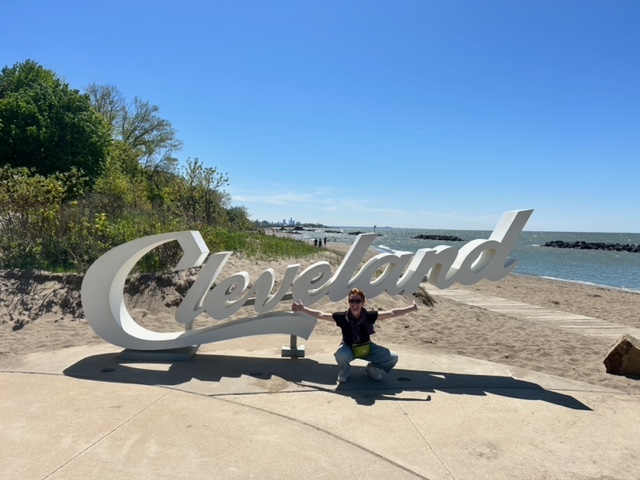
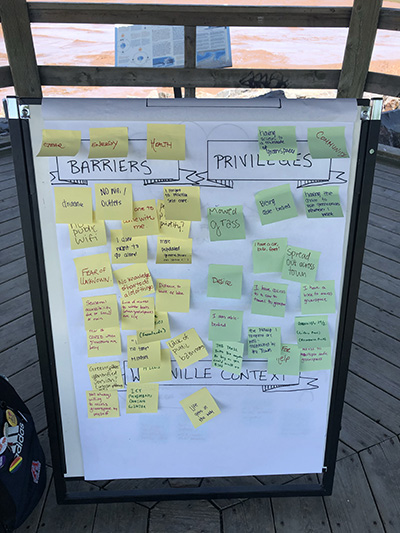
Participatory mapping during the focus groups in Cleveland, Ohio, May 2025.Sarah Lavallée in front of the Cleveland sculpture in Wildwood Park, May 2025.
Caraline Billotte
This summer, I had the opportunity to bridge both the social and ecological dimensions of environmental research through two distinct but complementary experiences. For my own master’s research, I focused on developing and administering an online survey designed to assess how value-framed messaging influences behavioural intentions in lake stewardship practices across the Rideau and Kawartha Lakes Region. This sociological approach, which was relatively new to me, allowed me to explore the human dimensions of conservation in a way that felt both challenging and rewarding. I was excited to engage with theories of environmental psychology and communication, and to see how values-based messaging might be applied in real-world stewardship contexts.
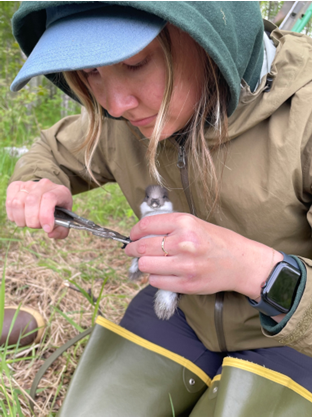
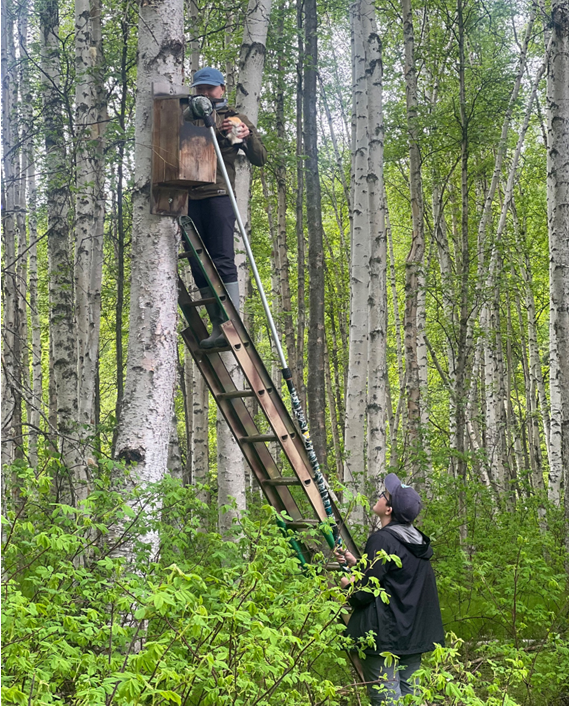
At the same time, I wanted to expand my skills in ecological fieldwork, and with the support of my supervisor, I joined a side project known as the Common Goldeneye Project in Fairbanks, Alaska. Alongside three other students, I contributed to a long-term waterfowl monitoring program that has been ongoing since 1970. This hands-on field experience introduced me to new ecological methods, including proper animal husbandry, bird tagging techniques, and web-tagging ducklings. I also learned how to use field equipment to identify different stages of incubation, which deepened my understanding of avian life cycles and monitoring protocols. Working directly with wildlife in this way was both demanding and rewarding, offering a very different but complementary perspective to my own research.
Together, these experiences gave me a unique summer of growth: advancing my sociological research skills while also immersing myself in ecological field methods. The balance between human-focused and ecological work not only broadened my expertise but also reaffirmed the value of interdisciplinary approaches in conservation.
Caraline Billotte web-tagging Common Goldeneye duckling in the Chena River, May 2025Caraline Billote and a colleague are monitoring a nesting box project, June 2025.
Rebeccah Kennedy
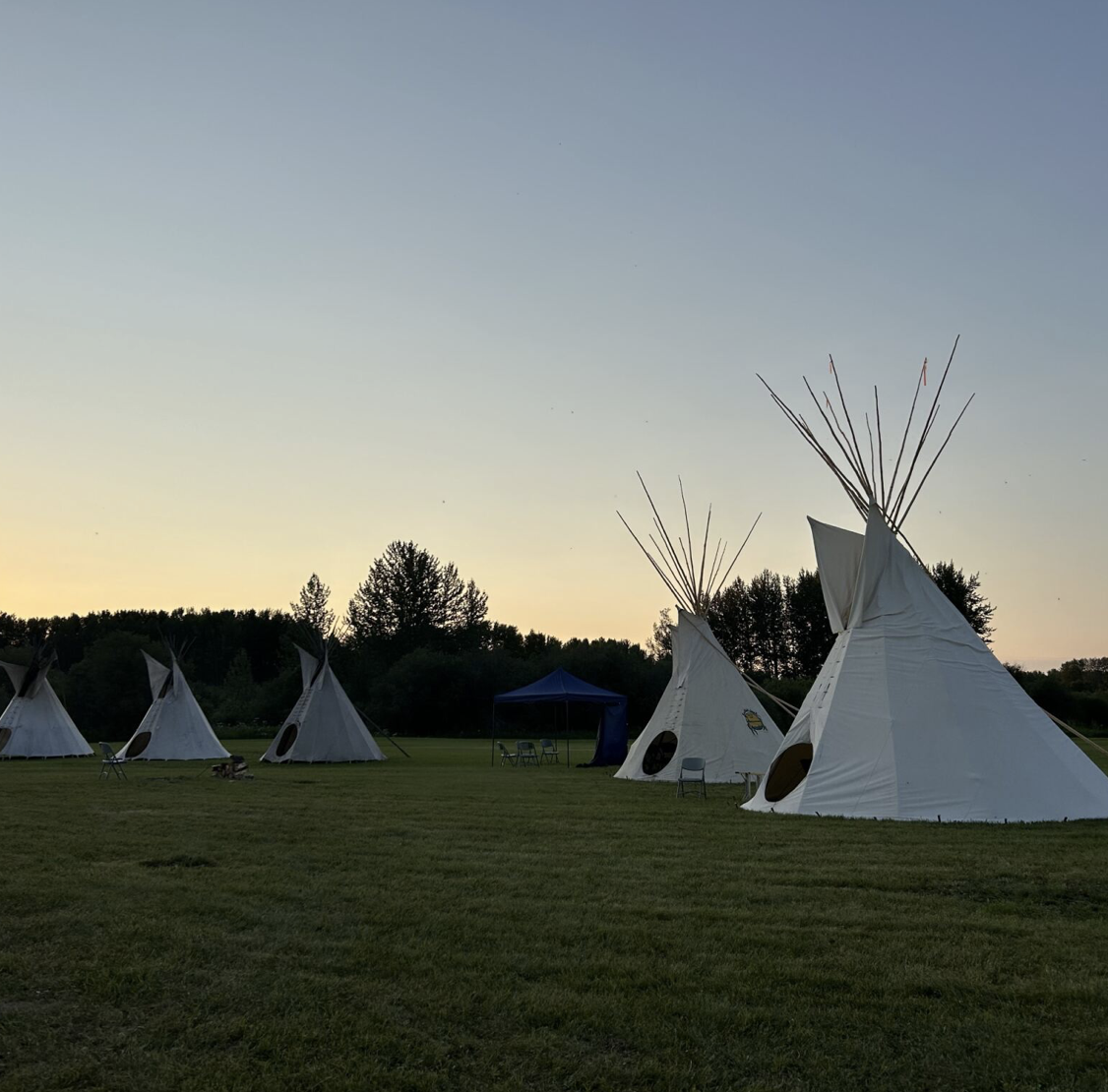
Over the past year I have had the opportunity to complete fieldwork in Slave Lake Alberta working withforestry professionals as wells as Indigenous communities including: Sucker Creek First Nation, Swan River First Nation, the Lesser Slave Lake Métis District (LSLMD). Through these trips I have been able to attend community events, conduct interviews and workshops, assist with focus groups and attend culture camps. All of this fieldwork is part of the larger TRIA-FoR project that looks at how communities respond to and want to be involved in responses to forest risks.
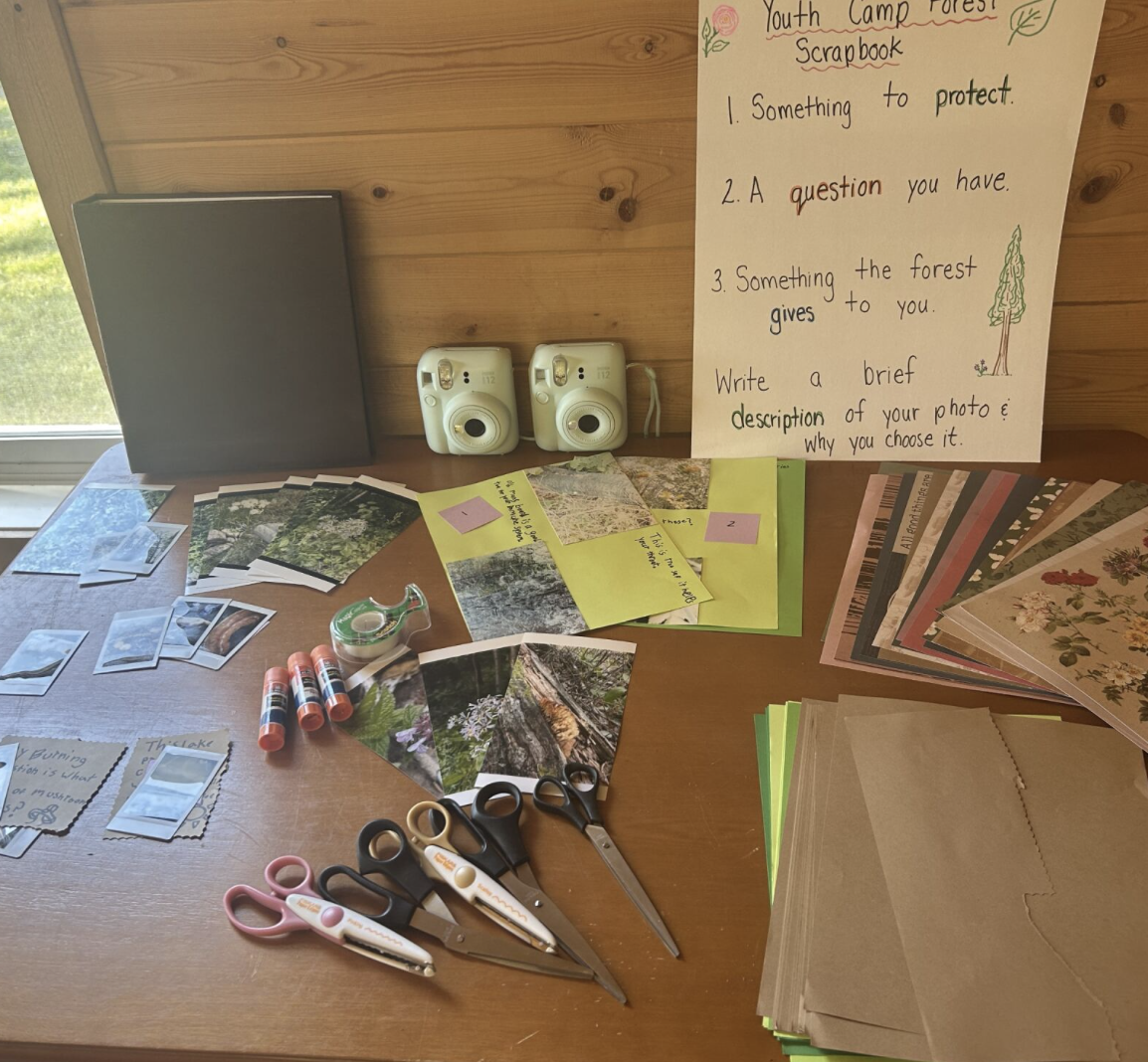
The bulk of my fieldwork takes place with the LSLMD who I have collaborated with to run communityworkshops and youth camp activities. This work would not have been possible without the support and contributions of their district office staff. At the workshops I was able to work with other team members to learn from elders and land users about their relationship with the forest and the forestry industry. I was also able to attend their youth camp where I led a Forest Scrapbook activity to explore their forest relationship. These activites gave me experience working with a wide variety of age ranges, leading discussions and also used innovative methods (including scrapbooking which used combination of photos and reflections).
While conducting my research, I was also able to participate in a wide range of community activities. These activities included jigging, storytelling, forest walks, beading, fishscale art and buffalo harvesting, just to name a few. Not only did these activities enhance my understanding of the LSLMD forest relationship and the value of understanding different perspectives, but they also highlighted the importance of relationships with the community as part of the research process. It is hard to capture how much these activities meant to my research and to myself. I thank the LSLMD community for being so welcoming to me and our team and for being open to embracing new research methods. I learned so much from everyone, and I look forward to future fieldwork!
We’re proud to celebrate one of our own lab members, Dr. Andrew Howard, whose thesis chapters have been selected as Editor’s Choice by the Canadian Journal of Fisheries and Aquatic Sciences. This marks the second chapter to receive this prestigious recognition!
The latest selection highlights his national survey of fisheries managers, which explored the challenges and opportunities in advancing sustainable fisheries across Canada. A well-deserved accomplishment for impactful and timely research!
Congratulations to Dr. Andrew Howarth and Dr. Albana Berberi for successfully defending their PhD’s in 2025! On behalf of the entire lab we commend you on your hard work and accomplishments!
Congratulations to former collaborative member Allison Drake whose paper has been selected for Editor’s Choice by the Canadian Journal of Fisheries and Aquatic Sciences (CJFAS)!
Congrats to our lab member Sarah Lavallée on her new paper from her undergrad honours thesis, Am I welcome in this space? A case study on cultural ecosystem services provided by rural greenspace and their implications for social cohesion & equity in Nova Scotia in the Journal of Rural and Community Development!
We are excited to welcome Sarah to the lab as an MA in Geography where she will be working on our Provisioning Fisheries Project!
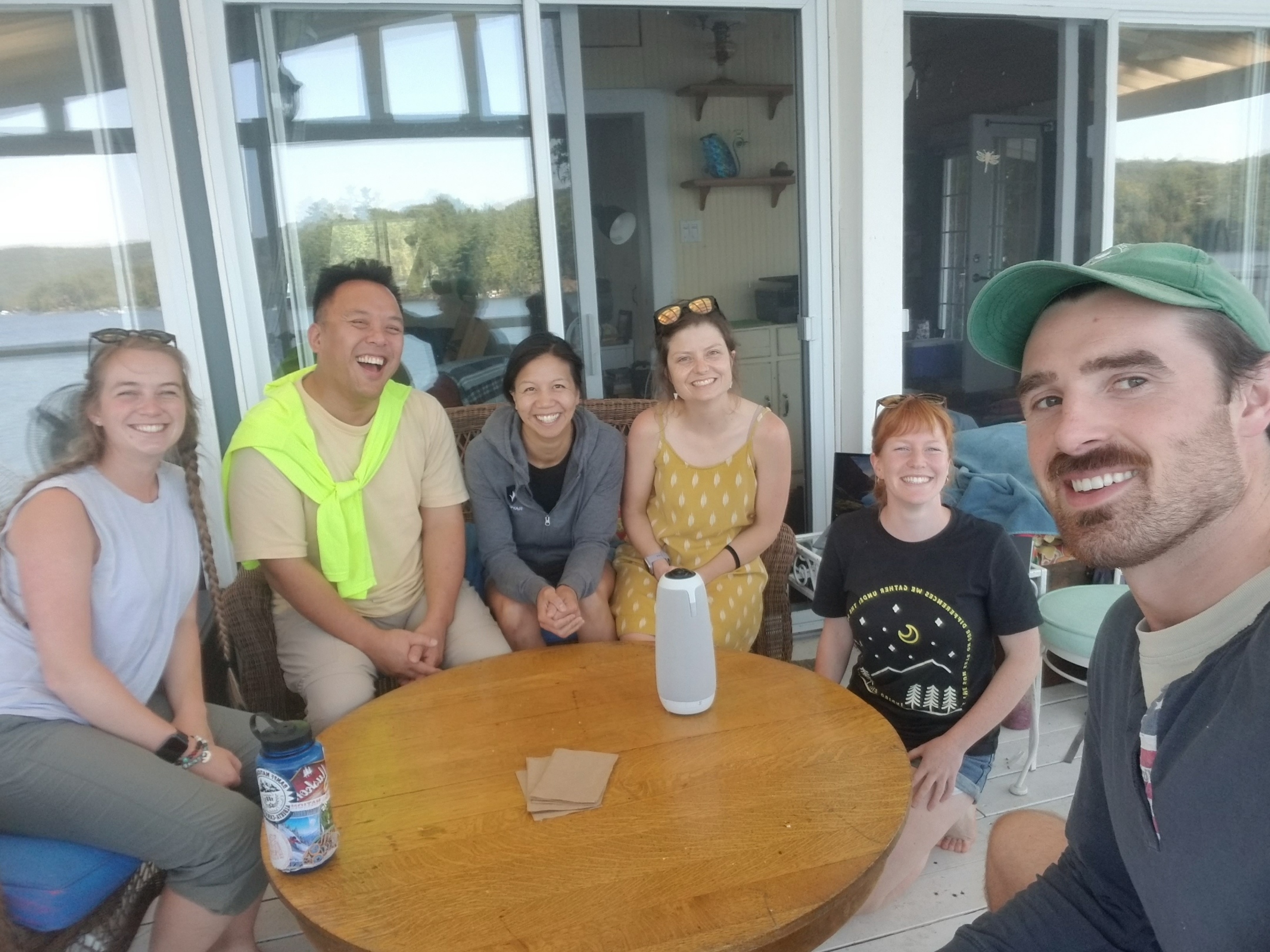
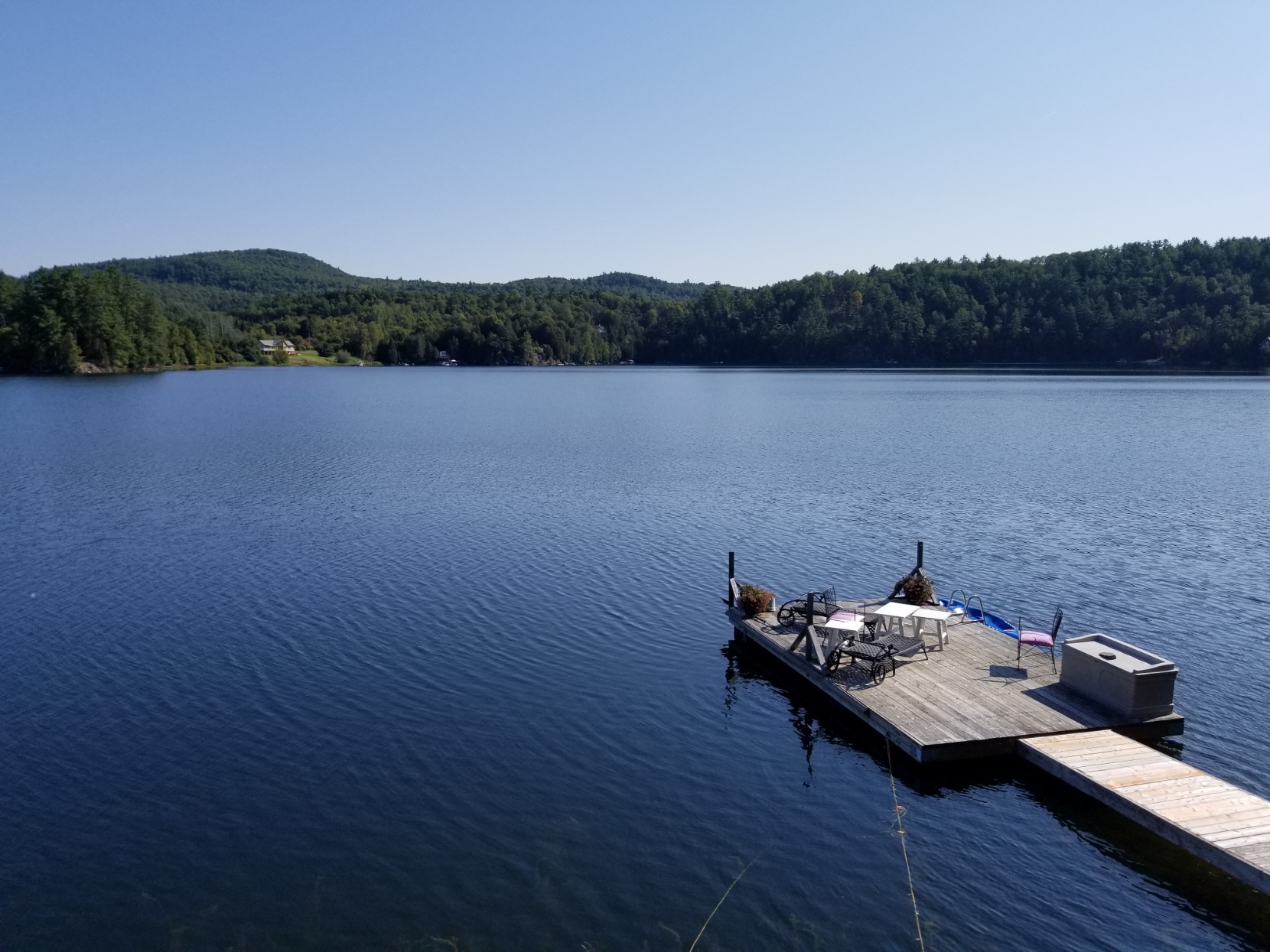
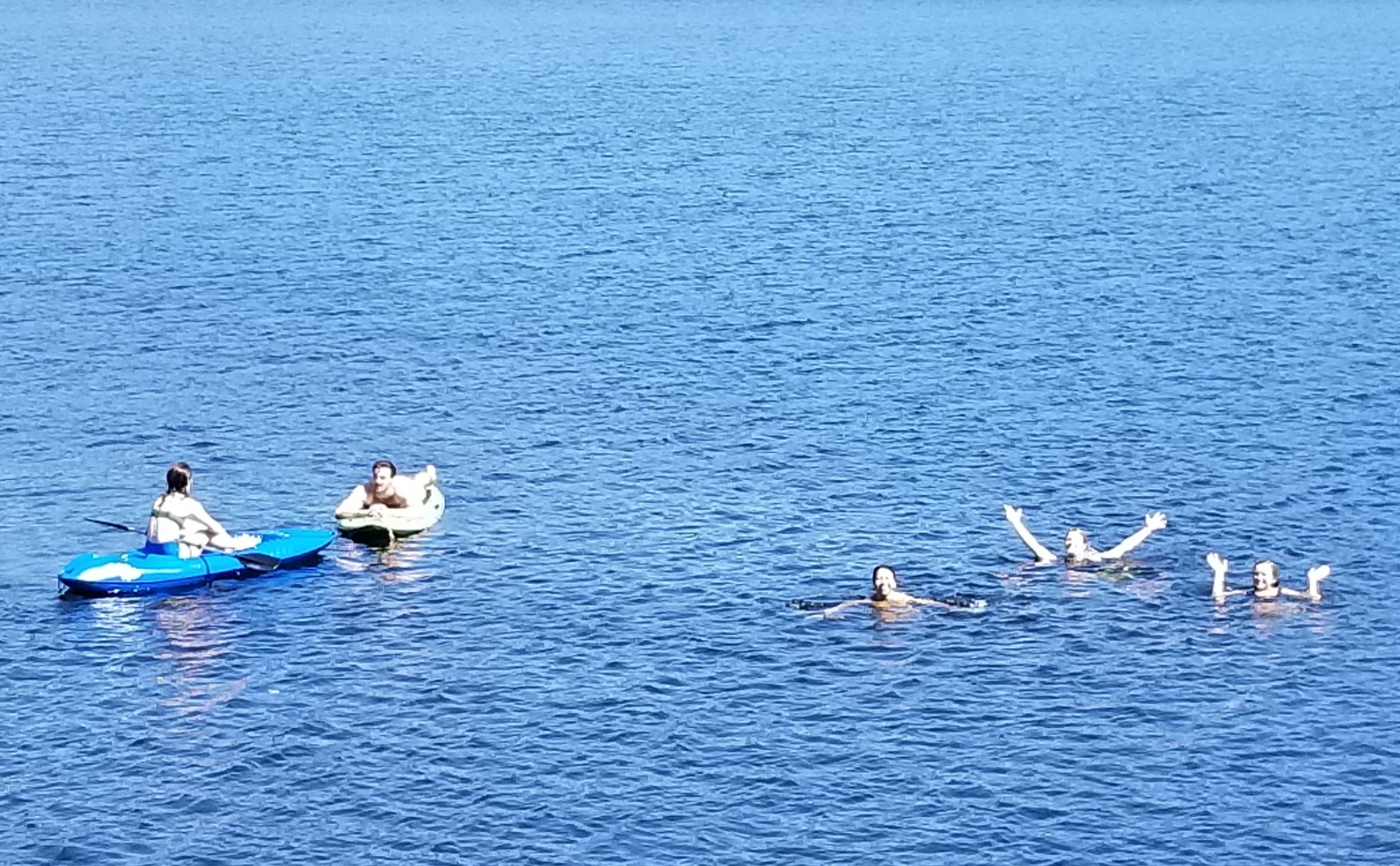
Our lab kicked off the fall term with a retreat at a lakeside cabin outside Ottawa. Some lab members came in person, while others joined online. Here’s to a great year of learning together and supporting eachother! Photos: Howie Huynh
Some lab members joined us in person for the term kick off lab retreat, while others joined online. From left to right: Rebeccah Kennedy, Howie Huynh, Vivian Nguyen, Kt Miller, Sarah Lavallée, Andrew Howarth.
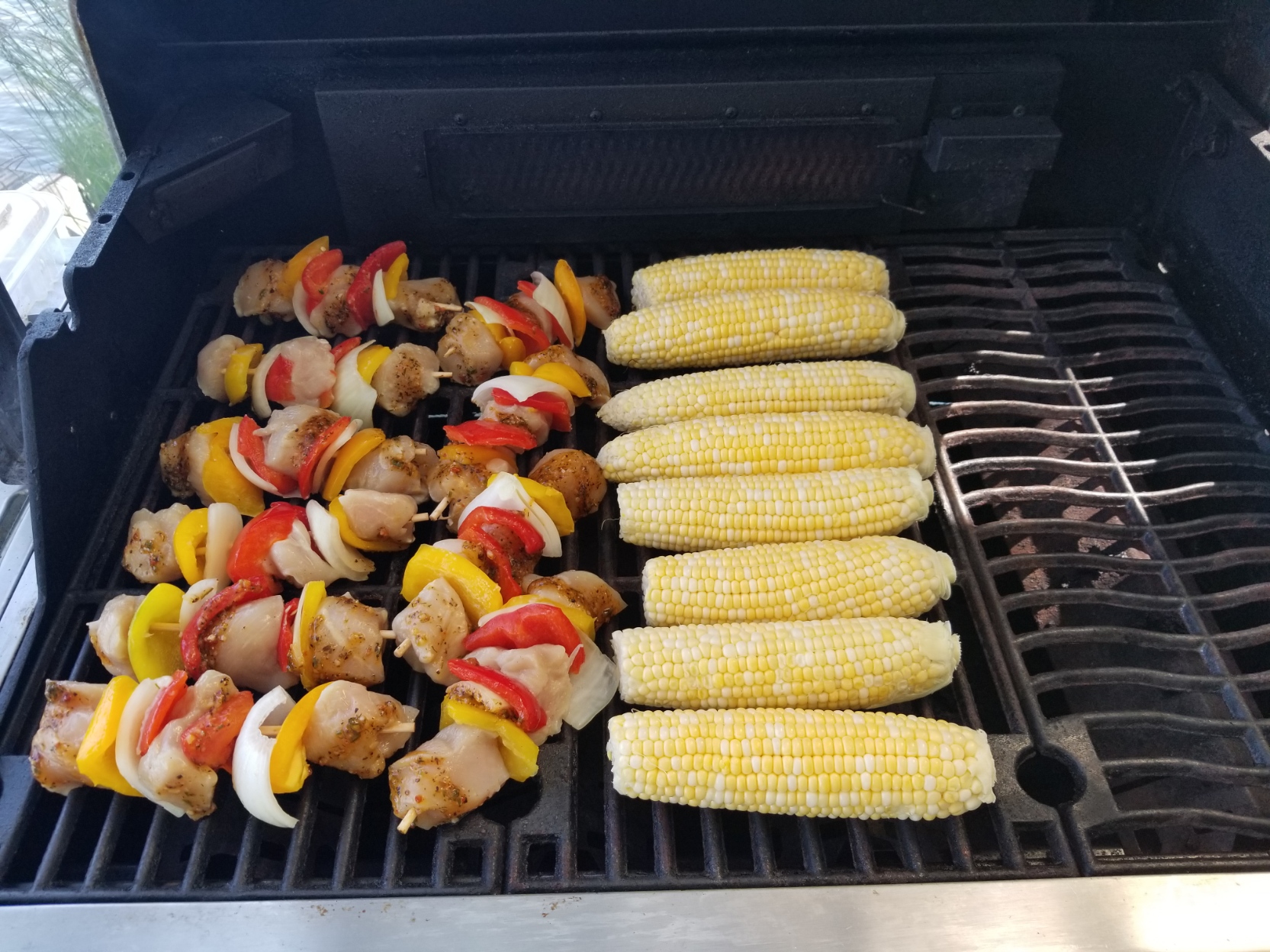
Tasty food always fuels good conversation.
Enjoying the warm weather before fall.
The lab takes a work break to enjoy the lake life!
The Social Ecology and Conservation Collaborative celebrates the successful MSc defences of Maggie Hanna and Caraline Billotte and the successful MA defence...
The SECC would like to congratulate Tamara Donnelly on receiving the 2026 Outstanding Leadership Award in Biology at Carleton, recognizing her volunteerism...
Reflections by Sarah Lavallée 1. Human dimensions research is increasingly acknowledged in the fisheries science space. It was really nice to see other...
We are delighted to share that members of our research community have published a new article in Environmental Management (2026), titled “Intra‑Sectoral Conflict Resolution in...